

UK Government Borrows £18.3 Billion in August as Public Finances Face Pressure
Government borrowing reached £18.3 billion in August, rising by £2.9 billion compared with a year earlier and exceeding the official monthly forecast.
By Keep Updated UK Newsroom
Published:

The UK public sector borrowed £18.3 billion in August 2026, according to official figures from the Office for National Statistics.
The amount was £2.9 billion higher than in August 2025, representing an annual increase of 19%.
It was also £3.5 billion above the Office for Budget Responsibility's forecast for the month.
The figures underline the continuing challenges involved in balancing government income, public expenditure and debt costs.
How much has the government borrowed this financial year?
Borrowing during the financial year from April to August 2026 reached £77.3 billion.
That was £8.1 billion higher than the amount forecast by the Office for Budget Responsibility.
However, the five-month total was £2.2 billion lower than borrowing during the equivalent period in the previous financial year.
This distinction is important.
Although August borrowing rose compared with the same month a year earlier, cumulative borrowing for the financial year remained slightly below the previous year's total.
The figures do not therefore show a uniform increase across every period.
Why does the government borrow money?
Public sector borrowing represents the difference between public sector spending and income, including tax receipts.
When expenditure exceeds income, the resulting deficit must be financed.
Government borrowing helps fund expenditure on public services, social security, infrastructure and other obligations.
The UK government raises much of its borrowing through the sale of government bonds, commonly known as gilts.
Investors who purchase those bonds receive interest under the terms of the securities.
Debt interest reaches £8.8 billion
The ONS reported that central government debt interest payable reached £8.8 billion in August 2026.
It was the highest August figure since monthly records began in 1997, without adjusting for inflation.
Of this amount, £2.1 billion reflected the capital uplift associated with index-linked government bonds.
These bonds are affected by movements in the Retail Prices Index, meaning that inflation can influence the cost of servicing government debt.
Higher debt interest costs can place additional demands on public finances.
However, monthly figures can fluctuate significantly, and a single month's borrowing should not be treated as a complete assessment of fiscal sustainability.
What does this mean for public spending?
When borrowing exceeds forecasts, ministers and fiscal authorities may face additional challenges in meeting their financial objectives.
Possible policy responses include reviewing spending plans, revising revenue forecasts or considering changes to taxation.
However, the latest figures do not establish that specific tax increases or spending reductions have been decided.
Those decisions would require separate government announcements.
The ONS data also show that public sector debt remained just below £3 trillion at the end of August.
The importance of future figures
Public borrowing statistics are subject to revision as additional information becomes available.
The next ONS public sector finances release is scheduled for 21 October 2026.
Those figures will offer a further assessment of borrowing ahead of the government's forthcoming fiscal decisions.
For taxpayers, the central question is how governments balance the funding of public services with borrowing costs, economic growth and long-term debt commitments.
Keep Updated UK will continue examining public finances, government expenditure and how taxpayer money is managed.
Sources & Further Information
Related Stories

Energy Price Concerns Reach 72% of UK Businesses, New ONS Survey Finds
Almost three-quarters of businesses are worried about energy prices, according to new official figures, with hotels, restaurants and other hospitality businesses reporting the highest levels of concern.
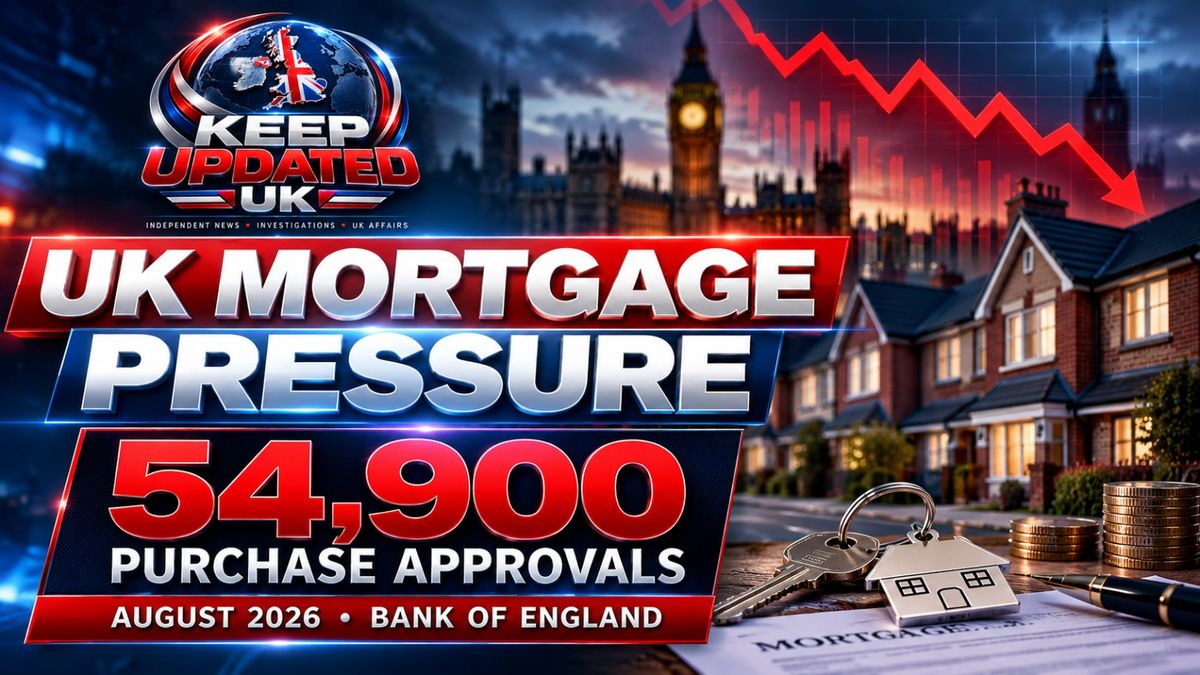
Mortgage Lending Tightens as Bank of England Reports Weaker Homebuyer Demand
The Bank of England says mortgage credit availability fell in the latest quarter, while separate figures show approvals for house purchases dropped to 54,900 in August.
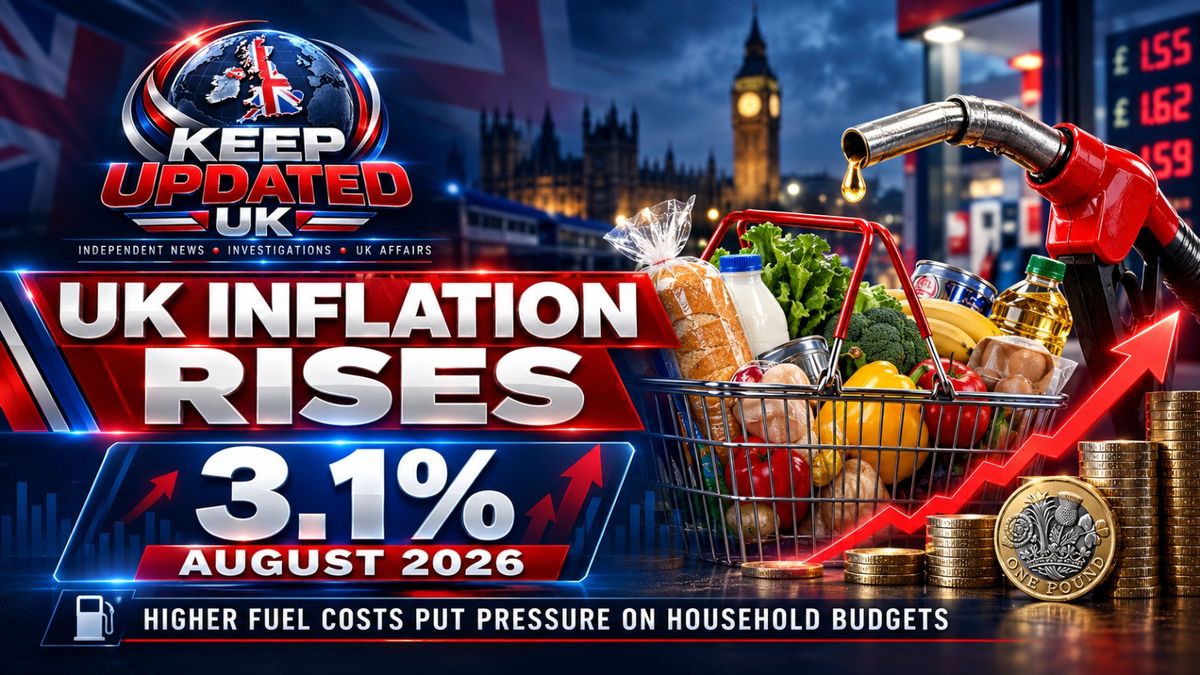
UK Inflation Rises to 3.1% as Higher Fuel Costs Put Pressure on Household Budgets
Inflation climbed from 2.9% to 3.1% in August, with motor fuel prices making the biggest contribution to the increase in the annual rate.