

Flu Activity Rises Early as Health Officials Urge Eligible Patients to Get Vaccinated
Flu activity remains at a low baseline level but has risen earlier than in recent seasons, according to England’s public-health surveillance.
By Keep Updated UK Newsroom
Published:

Health officials have warned of possible signs of an early flu season after surveillance found influenza activity rising during September and the start of October. The UK Health Security Agency says the level of flu circulating in England remains low, but recent trends are higher than at the equivalent point in the previous four winter seasons.
In the surveillance period covering 28 September to 4 October, influenza test positivity reached 6.5%, compared with 5% in the previous week. UKHSA also recorded a flu hospitalisation rate of 1.97 per 100,000 people. The agency says COVID-19 activity increased but remained at low levels, while respiratory syncytial virus activity remained low.
What an early rise means
An increase early in the season is a warning sign rather than proof of a severe winter. Virus trends can change as more surveillance data becomes available, and the eventual impact will depend on how widely infection spreads and which groups are affected.
Why the NHS is watching
Seasonal respiratory illness can increase demand for GP appointments, urgent treatment, ambulance services and hospital beds. Pressure can be especially challenging when health services are already managing routine treatment backlogs and busy emergency departments.
Vaccination message
UKHSA is encouraging people who qualify for seasonal vaccines to take up the offer. Eligibility varies by programme, age and medical circumstances; patients should check current NHS guidance rather than assuming everyone is covered by the same arrangements.
The coming weekly surveillance bulletins will help show whether the rise continues. Keep Updated UK will report the changes using dated surveillance periods and will not present low-level activity as a confirmed winter emergency.
Sources & Further Information
Related Stories
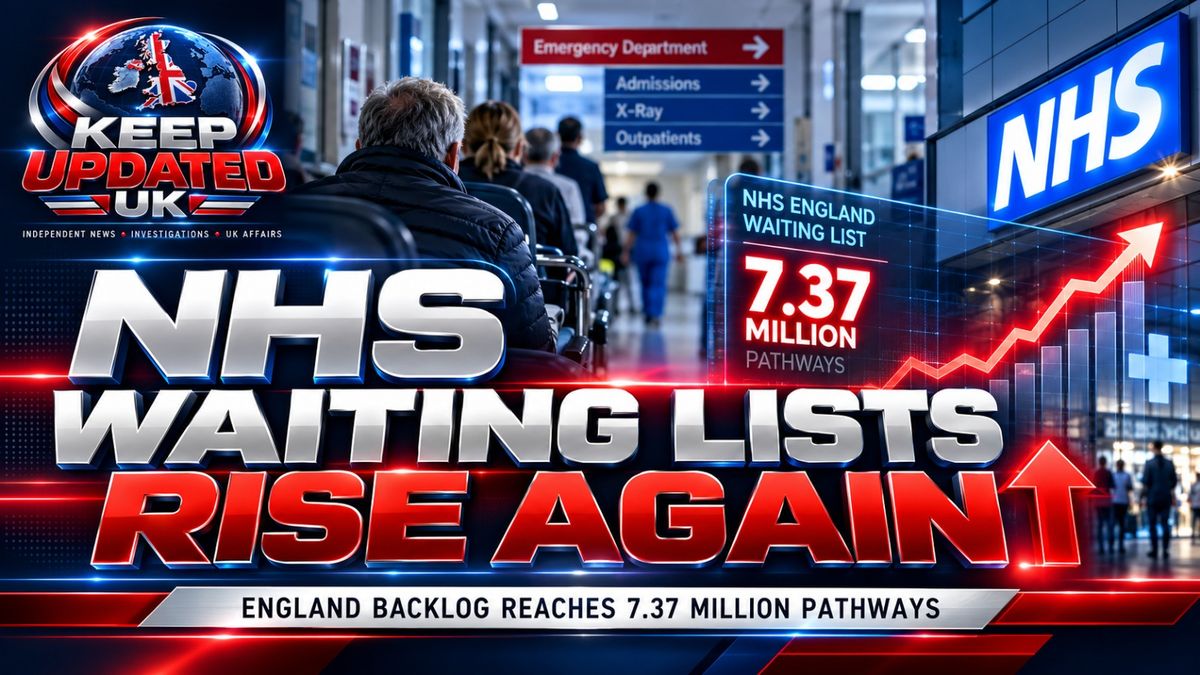
NHS Waiting List Climbs to 7.37 Million Treatment Pathways in England
England’s planned-care waiting list rose to an estimated 7.37 million pathways at the end of August, even as hospitals delivered substantial numbers of treatments.
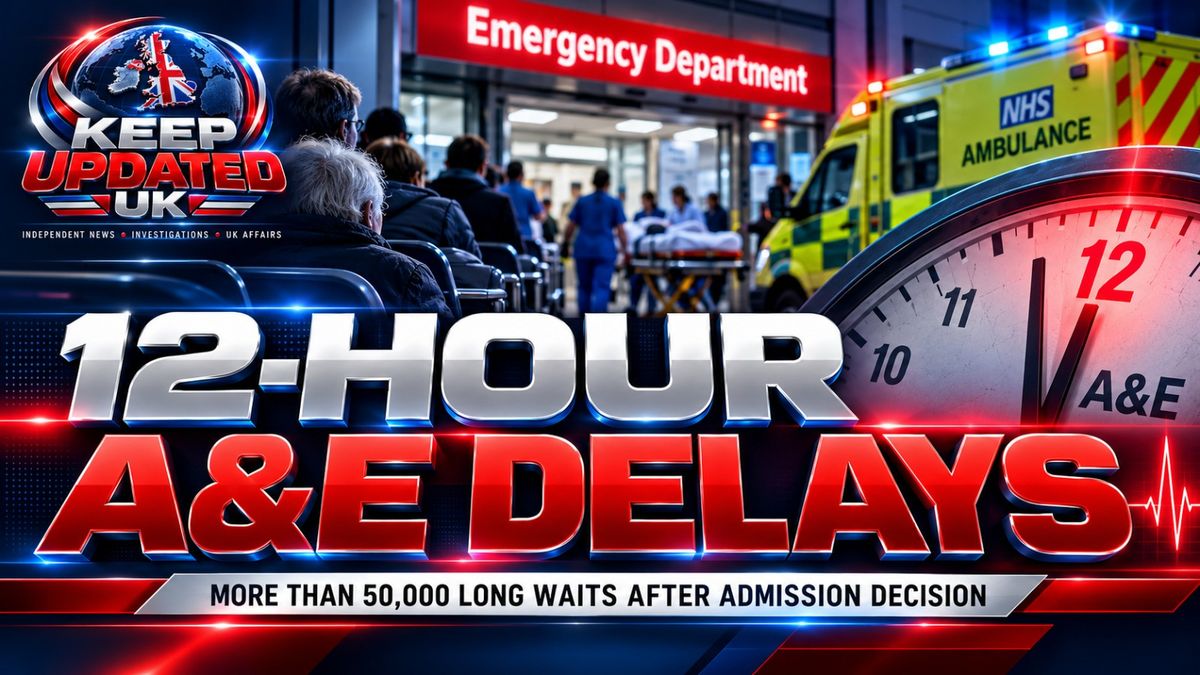
More Than 50,000 Patients Wait Over 12 Hours for Admission After A&E Decision
Newly reported NHS figures show 50,582 waits of more than 12 hours between the decision to admit a patient and their admission to hospital during September.
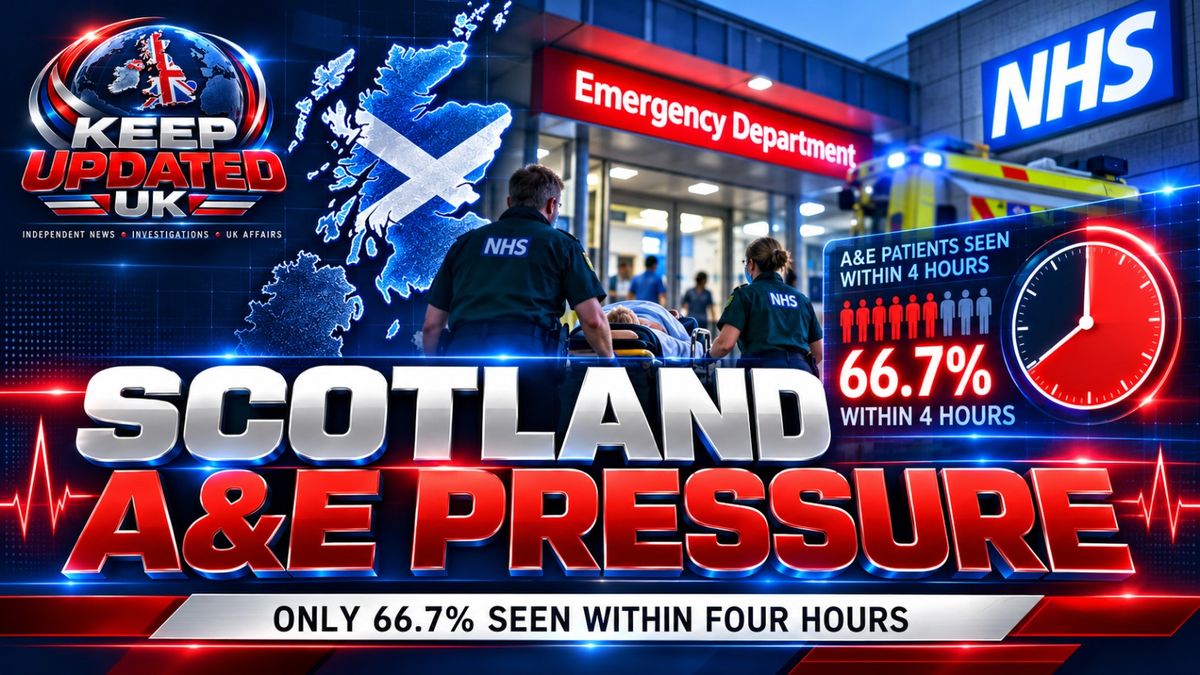
Scottish A&E Data Shows One in Three Attendances Exceeded Four Hours in August
Official figures show 66.7% of A&E attendances in Scotland ended within four hours during August, while 7,071 lasted longer than 12 hours.