

NHS Waiting List Climbs to 7.37 Million Treatment Pathways in England
England’s planned-care waiting list rose to an estimated 7.37 million pathways at the end of August, even as hospitals delivered substantial numbers of treatments.
By Keep Updated UK Newsroom
Published:
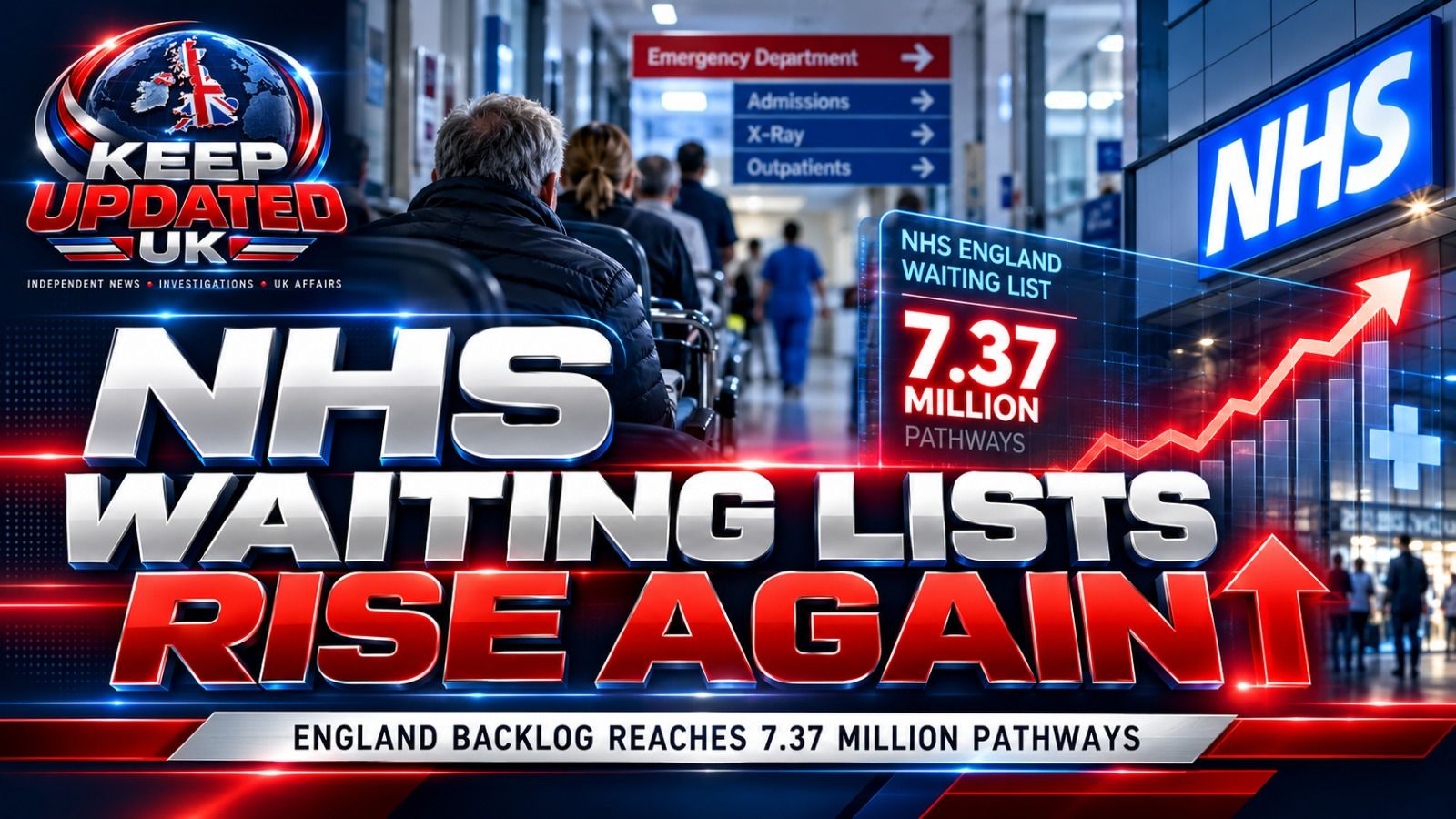
The waiting list for routine hospital treatment in England has increased again, with new figures showing an estimated 7.37 million outstanding treatment pathways at the end of August 2026. The total relates to approximately 6.24 million individual patients, because some people are waiting for more than one course of care.
The figures compare with about 7.33 million pathways and 6.21 million patients at the end of July. They also show that 113,339 pathways had been waiting more than a year to begin treatment, up from 111,379 the previous month. The latest release places renewed attention on the challenge of reducing long waits while demand remains high.
What the figures actually measure
A referral-to-treatment pathway follows a patient from the point at which a specialist referral is received to the start of consultant-led treatment. A person who needs treatment for two different conditions can appear on the list twice. That is why the number of pathways should not be described as the number of people waiting.
More activity does not automatically mean a smaller backlog
The NHS has highlighted high levels of planned treatment and diagnostic activity during the summer. But a backlog falls only when the number of completed pathways exceeds the number of new pathways added, after accounting for other changes to the list. Rising activity and a rising waiting list can therefore happen at the same time.
The wider issue for patients
Long waits can mean further uncertainty for people managing pain, mobility problems or other conditions while awaiting appointments or procedures. The 18-week treatment standard remains a central measure of elective care performance, but the headline waiting-list total does not on its own show how long any particular patient will wait.
The next monthly release will be important for judging whether the August increase was a temporary movement or part of a longer trend. Keep Updated UK will continue to distinguish between patient numbers, treatment pathways and the proportion of care delivered within the target period.
Sources & Further Information
Related Stories

Flu Activity Rises Early as Health Officials Urge Eligible Patients to Get Vaccinated
Flu activity remains at a low baseline level but has risen earlier than in recent seasons, according to England’s public-health surveillance.

More Than 50,000 Patients Wait Over 12 Hours for Admission After A&E Decision
Newly reported NHS figures show 50,582 waits of more than 12 hours between the decision to admit a patient and their admission to hospital during September.
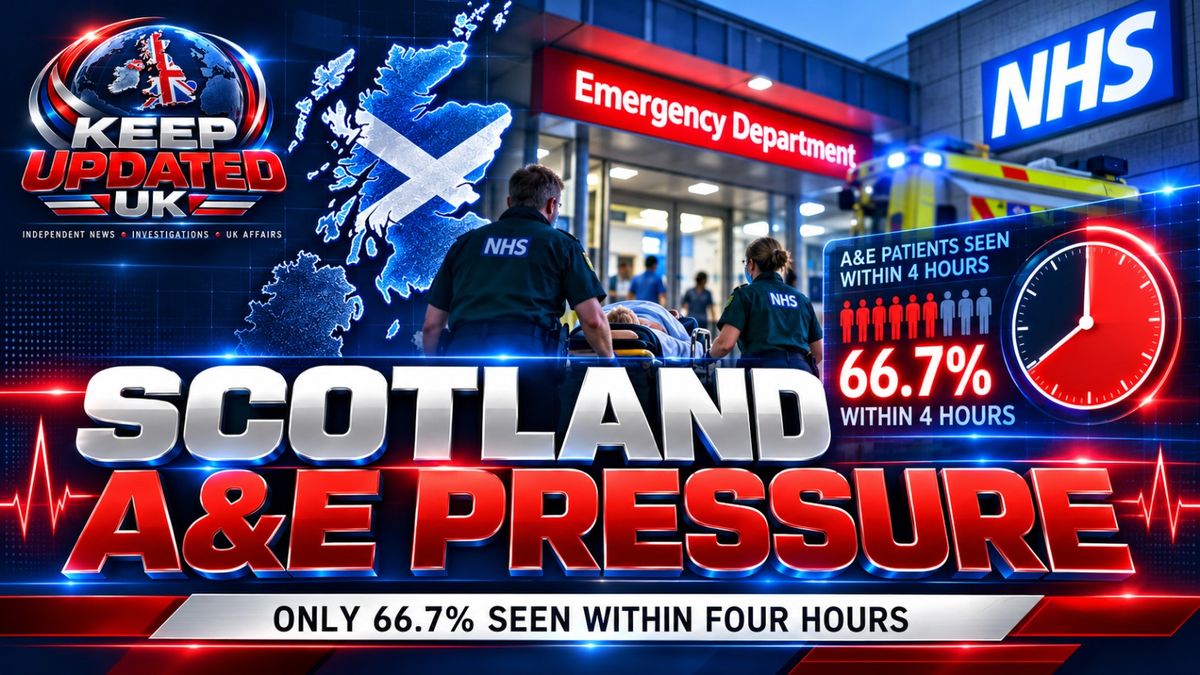
Scottish A&E Data Shows One in Three Attendances Exceeded Four Hours in August
Official figures show 66.7% of A&E attendances in Scotland ended within four hours during August, while 7,071 lasted longer than 12 hours.