

Government’s Biggest Projects Carry £924.2bn Whole-Life Cost, Official Data Shows
Government data shows 189 major projects had a combined whole-life cost of £924.2 billion at the end of March 2026 — but the figure represents costs across the lifetime of the projects, not money already spent.
By Keep Updated UK Newsdesk
Published:

Some of the UK Government’s largest infrastructure, defence, technology and public-service projects carried a combined whole-life cost of £924.2 billion, according to the latest official major-projects report.
The National Infrastructure and Service Transformation Authority, known as NISTA, reported that the Government Major Projects Portfolio contained 189 projects during 2025-26.
Together, they were estimated to deliver £603.6 billion in monetised benefits over their lifetimes.
Importantly, the £924.2 billion figure is not £924.2 billion already spent by the government. It represents the estimated whole-life costs attached to the projects, many of which run for years or even decades.
How are the projects performing?
NISTA reported:
- 29 projects rated Green
- 109 rated Amber
- 34 rated Red
A Red rating does not automatically mean a project has failed. NISTA says it indicates significant problems requiring urgent attention.
Some projects do not have publicly reported ratings, meaning the published Green, Amber and Red figures do not account for all 189 projects.
The portfolio includes projects across 20 government departments and their arm’s-length bodies.
Three projects classed as ‘mega projects’
Three programmes were initially given the government's new mega-project designation:
HS2, Sizewell C and the Dreadnought submarine programme.
Together, those three projects accounted for more than 10% of the portfolio's entire whole-life cost.
From April 2026, the system was changed so that NISTA's central portfolio focuses on around 80 of the most complex and strategically significant projects, while other schemes are overseen through departmental portfolios.
Why this matters
The figures illustrate the enormous scale of long-term spending commitments managed across government.
However, comparing projects purely by their headline costs can be misleading. Some involve decades of construction, maintenance or operation, while others are shorter technology or transformation programmes.
For taxpayers, the important questions will be whether individual projects remain within their approved budgets, whether promised benefits materialise, and whether projects rated as facing serious delivery problems improve over time.
Keep Updated UK will continue examining individual projects within the portfolio and tracking changes in their costs.
Primary source: NISTA Major Projects Annual Report 2025-26, published 13 July 2026.
Related Stories
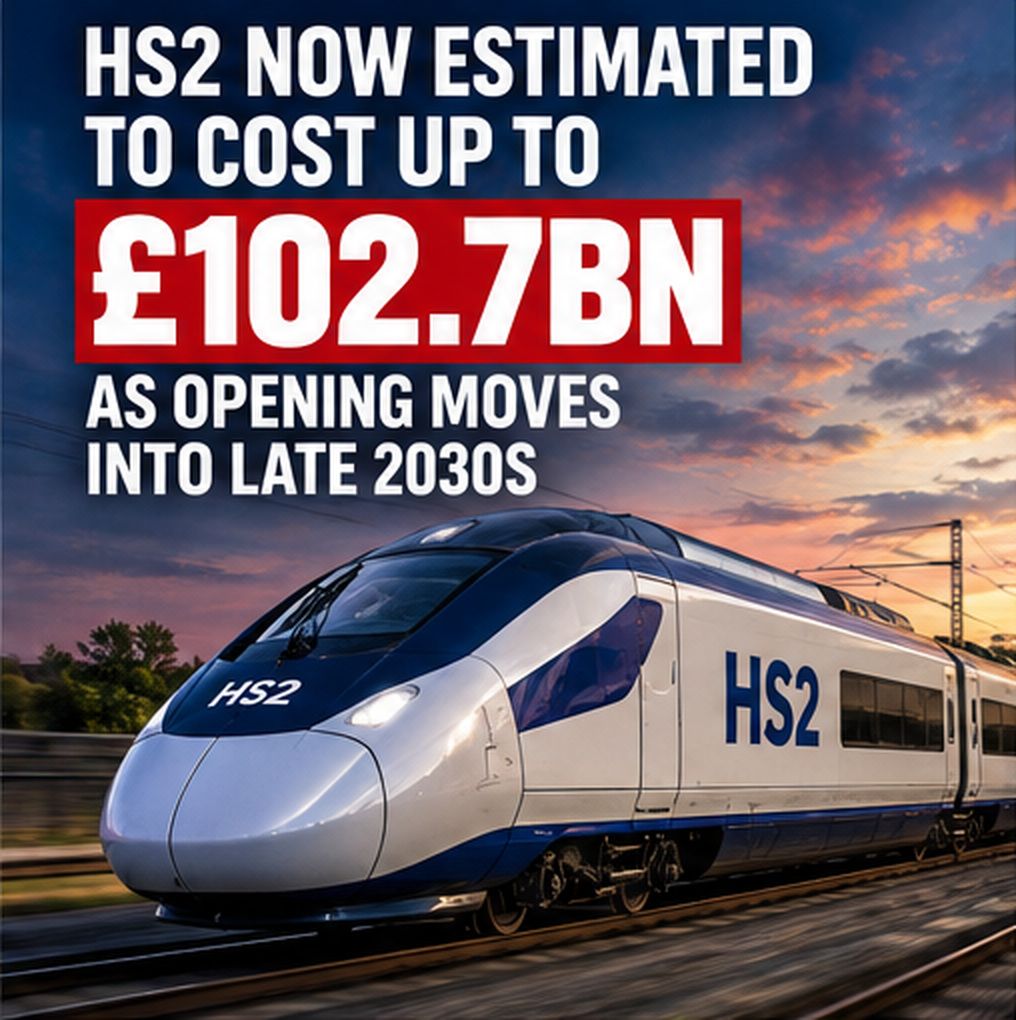
HS2 Now Estimated to Cost Up to £102.7bn as Opening Moves into Late 2030s
HS2’s latest official cost range has risen to between £87.7 billion and £102.7 billion, while the first passenger services are not expected until between 2036 and 2039.
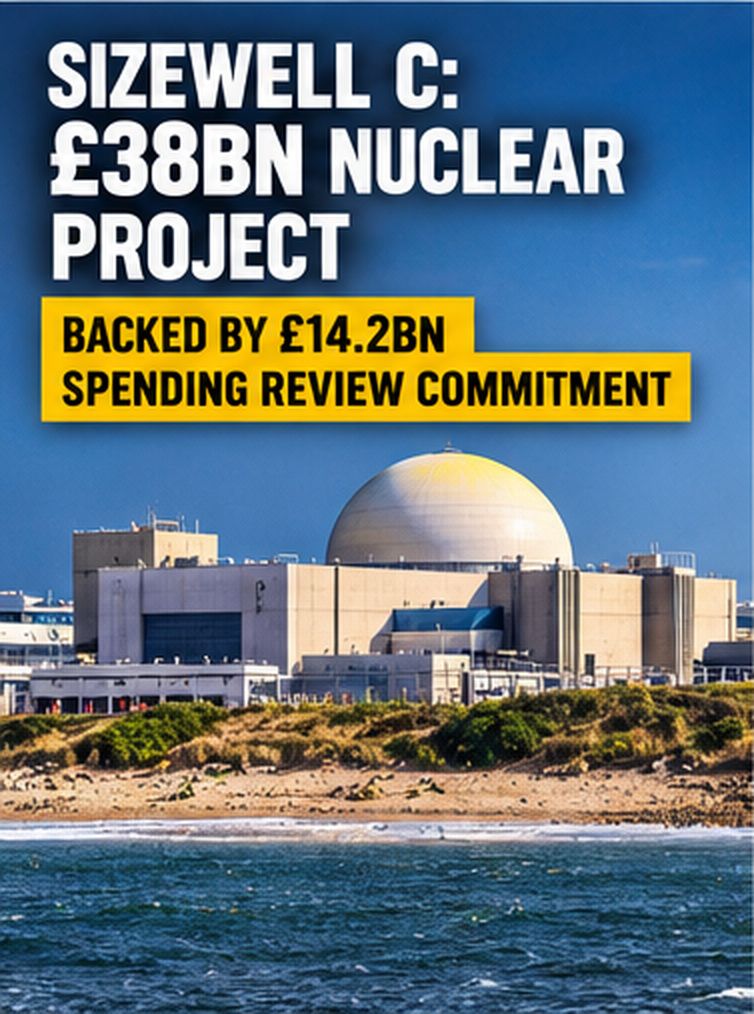
Sizewell C: £38bn Nuclear Project Backed by £14.2bn Spending Review Commitment
Britain's new Sizewell C nuclear power station has a target construction cost of around £38 billion, with taxpayers and electricity consumers sharing significant financial exposure.
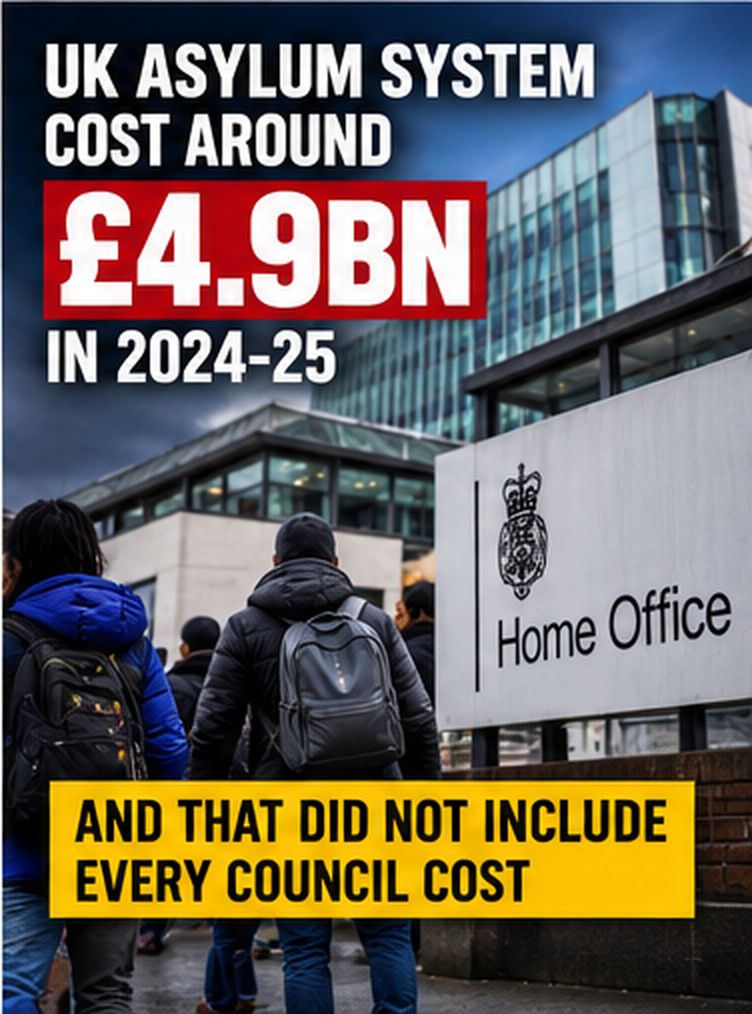
UK Asylum System Cost Around £4.9bn in 2024-25 — And That Did Not Include Every Council Cost
The National Audit Office estimated Home Office and Ministry of Justice asylum spending at around £4.9 billion in 2024-25, while warning that the figure does not capture all costs falling elsewhere in the public sector.