

Sizewell C: £38bn Nuclear Project Backed by £14.2bn Spending Review Commitment
Britain's new Sizewell C nuclear power station has a target construction cost of around £38 billion, with taxpayers and electricity consumers sharing significant financial exposure.
By Keep Updated UK Newsdesk
Published:
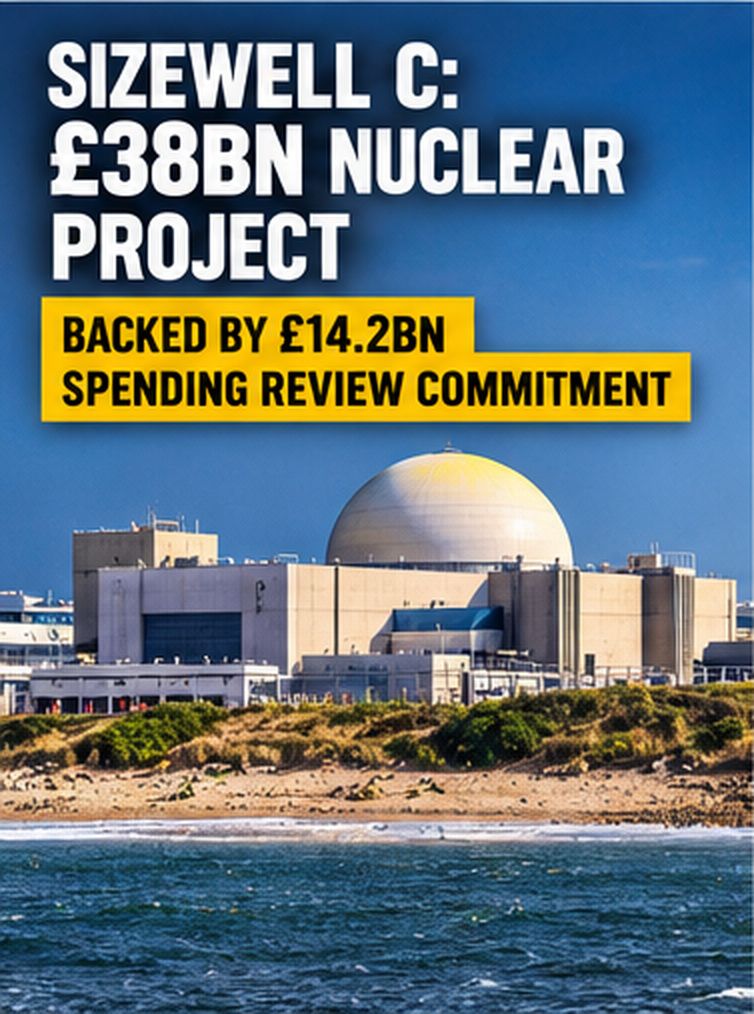
Sizewell C is one of Britain's largest current infrastructure investments.
The proposed nuclear power station in Suffolk has a target construction cost of approximately £38 billion in 2024 prices, according to government figures.
The 2025 Spending Review allocated £14.2 billion for Sizewell C over the Spending Review period.
That £14.2 billion should not be confused with the total cost of the plant or treated as the government's final lifetime contribution.
How is Sizewell C being funded?
Unlike Hinkley Point C, Sizewell uses a Regulated Asset Base, or RAB, financing model.
Government, private investors and electricity consumers will all contribute to financing the project.
The government became the largest shareholder alongside investors including EDF, Centrica, La Caisse and Amber Infrastructure.
Consumers are expected to contribute through electricity bills during construction.
The government estimated the effect at an average of around £1 per household per month during construction.
What does the National Audit Office say?
The National Audit Office examined the deal in May 2026.
It said the financing structure had reduced financing costs by shifting more risk towards the taxpayer and consumers.
However, the watchdog highlighted continuing risks.
No nuclear power station using this particular reactor type has yet been completed without delays or cost increases, the NAO said.
It also questioned whether returns available to private investors appeared high relative to the amount of project risk those investors were carrying.
What is the government expecting in return?
Sizewell C is expected to operate for at least 60 years and generate enough electricity for the equivalent of around six million homes.
The government has argued that using essentially the same design as Hinkley Point C should reduce construction risks and allow lessons from that project to be applied.
It has also estimated that Sizewell could eventually generate electricity-system savings averaging around £2 billion per year, although that is a forecast rather than money currently being saved.
With construction extending well into the next decade, the ultimate cost to taxpayers and consumers will depend heavily on whether the project remains close to its current construction budget and schedule.
Primary sources: Department for Energy Security and Net Zero; National Audit Office Sizewell C report.
Related Stories

Government’s Biggest Projects Carry £924.2bn Whole-Life Cost, Official Data Shows
Government data shows 189 major projects had a combined whole-life cost of £924.2 billion at the end of March 2026 — but the figure represents costs across the lifetime of the projects, not money already spent.
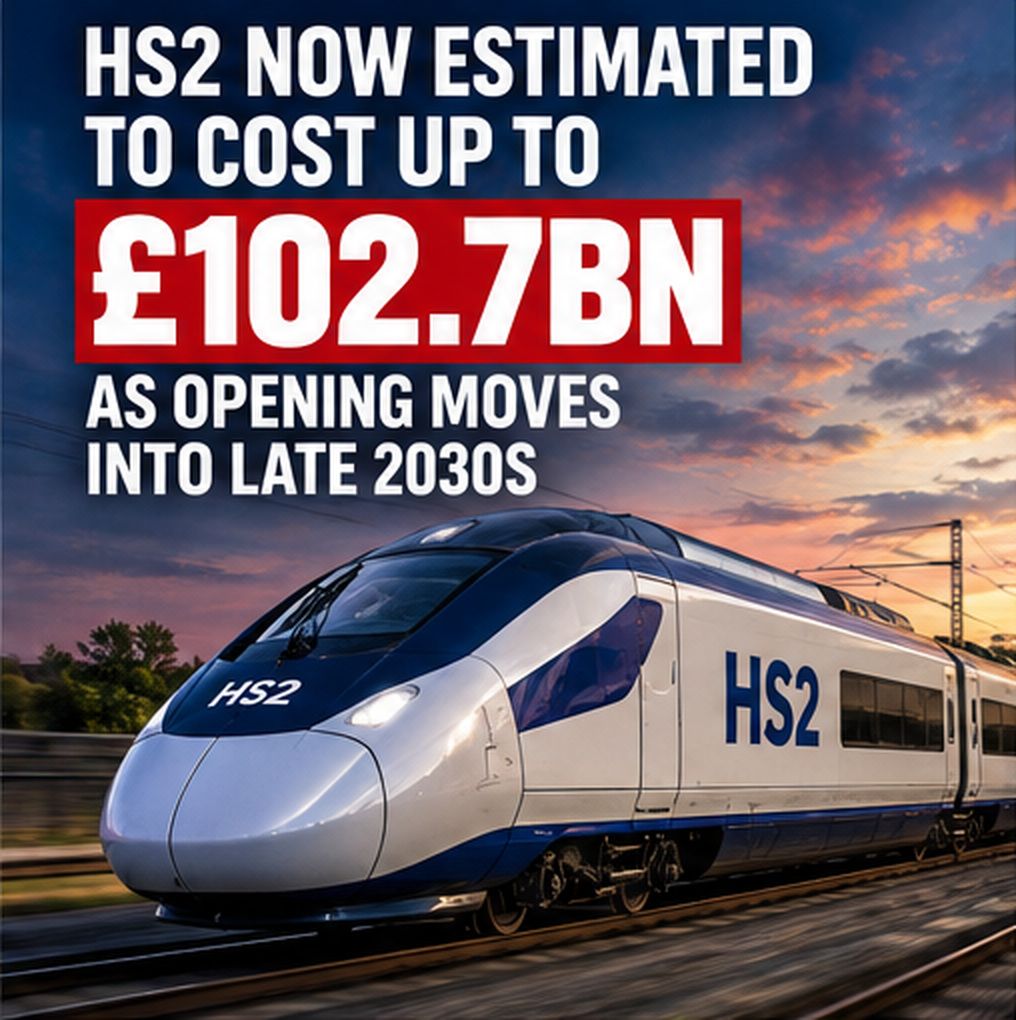
HS2 Now Estimated to Cost Up to £102.7bn as Opening Moves into Late 2030s
HS2’s latest official cost range has risen to between £87.7 billion and £102.7 billion, while the first passenger services are not expected until between 2036 and 2039.
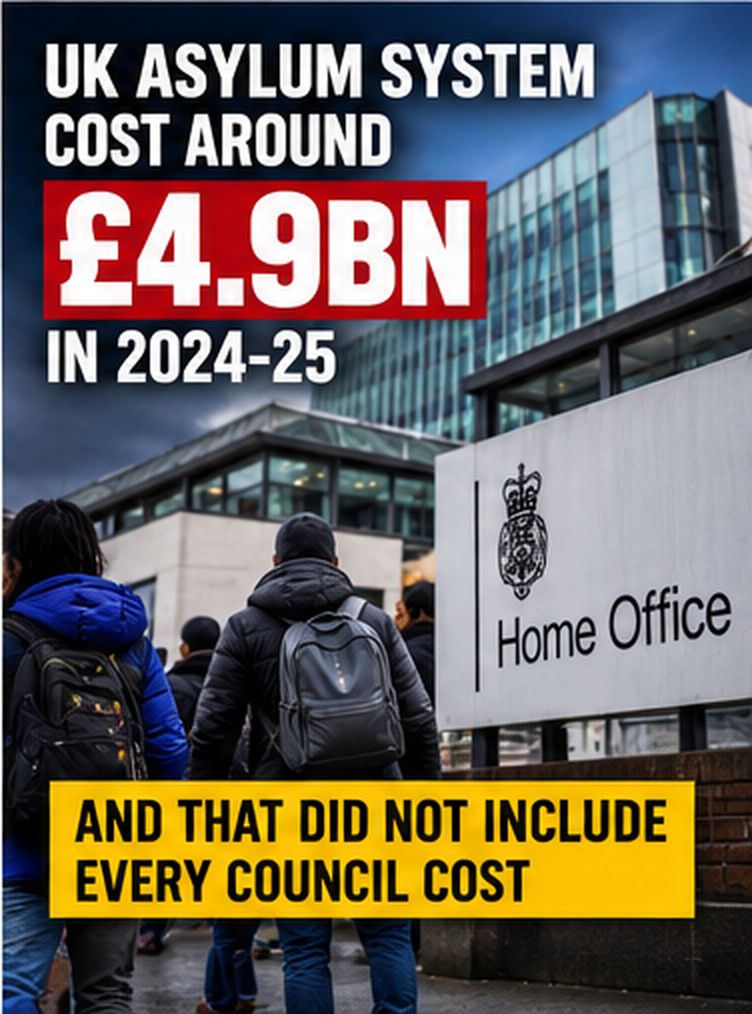
UK Asylum System Cost Around £4.9bn in 2024-25 — And That Did Not Include Every Council Cost
The National Audit Office estimated Home Office and Ministry of Justice asylum spending at around £4.9 billion in 2024-25, while warning that the figure does not capture all costs falling elsewhere in the public sector.