
London Council Considers 150% Council Tax Increase Amid £160m Funding Crisis
Residents in a west London borough could face an unprecedented increase in council tax after Hammersmith & Fulham Council outlined financial scenarios involving rises of up to 150%.
By Keep Updated UK
Published:

The Labour-run authority is examining its options as changes to the government's local authority funding system threaten to leave a projected budget gap of approximately £160 million.
The possible increase, which has not been approved, is among three scenarios being considered ahead of future budget decisions.
Why is the council considering such a large increase?
The council estimates that its central government funding will fall from approximately £150.5 million in 2025/26 to £72.4 million by 2029/30.
The reduction is linked to the government's Fair Funding 2.0 reforms, which are intended to redistribute resources towards areas assessed as having greater financial need.
However, authorities that have historically maintained relatively low council tax charges face a particular challenge under the new arrangements.
Hammersmith & Fulham says its long-running efficiency programme has delivered substantial savings, but argues that further efficiencies alone will not close the projected funding gap.
How much could residents pay?
The council's financial modelling examines increases of 100%, 125% and 150% in its own element of council tax.
Under the highest scenario, the council's Band D charge would rise from £1,009 to £2,522.50 annually.
That represents an increase of approximately £29.11 per week in the council's portion of the bill.
The Greater London Authority's council tax precept is separate. The 150% figure therefore does not mean that a household's entire council tax bill would increase by that percentage.
Under current assumptions, the highest scenario would broadly close the projected budget gap. The smaller increases would leave funding shortfalls.
Has the increase been approved?
No. The figures are financial scenarios, not a confirmed council tax decision.
The council's Cabinet is due to consider its medium-term financial strategy on 12 October 2026. Further consultation and budget development are expected before a final council tax decision in 2027.
The government has provided exceptional council tax flexibility to six authorities with historically low rates. Ministers argue that funding reforms will direct more resources towards areas with greater need.
The situation raises significant questions about how local government should be funded and whether households should bear a larger share of the cost when central funding arrangements change.
For residents of Hammersmith & Fulham, the immediate concern is the scale of the possible increase and which services could be affected if the financial gap remains unresolved.
Keep Updated UK will follow the council's October Cabinet discussions and subsequent budget decisions.
Sources & Further Information
- Hammersmith & Fulham — Cabinet report pack, 12 October 2026Hammersmith & Fulham · Official document(opens in a new tab)
- UK Government — local government finance settlementUK Government · Official document(opens in a new tab)
- LocalGov — council tax scenarios, 5 October 2026LocalGov · Source(opens in a new tab)
Related Stories
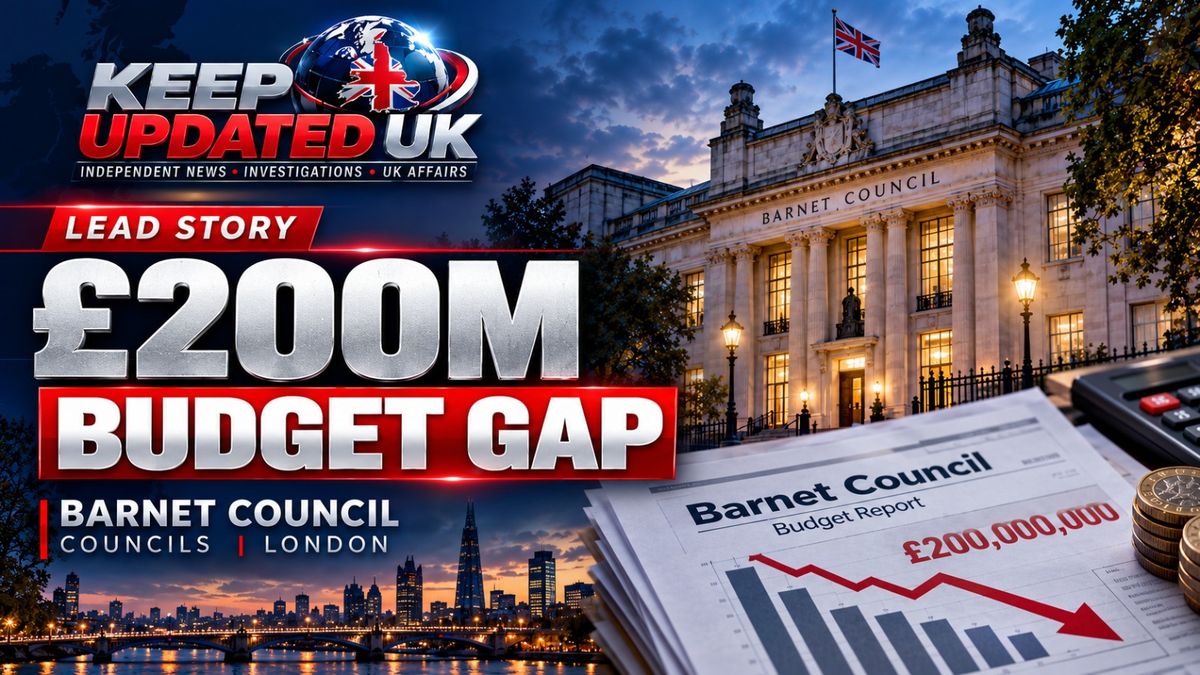
Barnet Council Warns of £200 Million Budget Gap as Service Changes Considered
Barnet Council has published a major financial recovery plan aimed at addressing a projected £200 million budget gap between now and 2029.
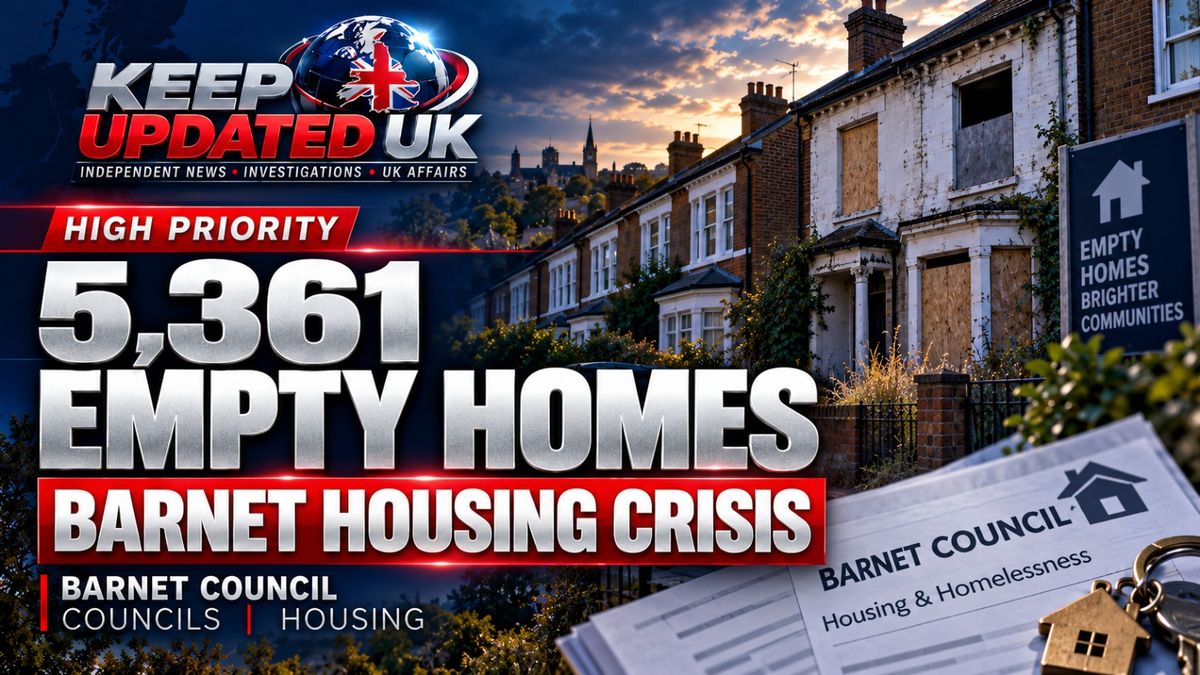
More Than 5,300 Empty Homes Identified in Barnet as Council Faces Housing Crisis
More than 5,300 residential properties are recorded as long-term empty in the London Borough of Barnet, despite thousands of households requiring temporary accommodation.
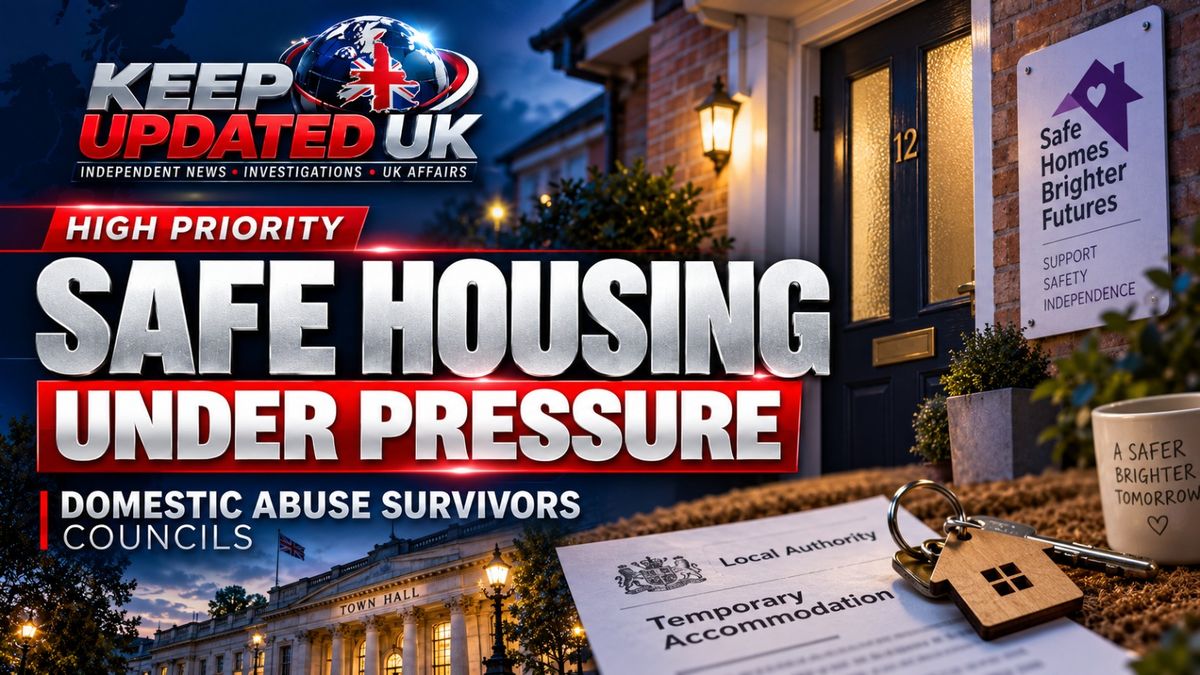
Councils Struggle to Provide Safe Housing for Domestic Abuse Survivors, Survey Finds
Councils across England are facing mounting difficulties finding safe accommodation for people escaping domestic abuse, according to new research published by the Local Government Association.