

Campaign groups lodge police super-complaint over handling of intimate image abuse
A national police super-complaint alleges survivors of non-consensual intimate image abuse are being failed by inconsistent investigations and low charging rates.
By Keep Updated UK Newsroom
Published:

Formal complaint alleges systemic failures
Campaign organisations #NotYourPorn and the Centre for Women's Justice have lodged a police super-complaint alleging widespread shortcomings in the way intimate image abuse is investigated across England and Wales. Human rights law firm Leigh Day is acting for #NotYourPorn.
The complaint, made public on 7 October 2026, draws on accounts from more than 100 survivors, case studies and data obtained from police forces. It argues that the criminal justice response has not kept pace with the spread of harmful image-sharing and AI-generated sexual images.
What the organisations say their research found
The groups report a charging rate of 4.5% for image-based abuse offences across the 39 forces they examined in 2025, with rates below 1% in some forces. They also cite a sharp rise in reports to the specialist Revenge Porn Helpline over the previous decade.
These findings are figures presented by the complainants; they should not be confused with a concluded national watchdog judgment. Charging rates also depend on definitions, reporting periods and which recorded cases are included.
Concerns about victims' experiences
The submission alleges that some survivors have faced delays, weak communication, missed opportunities to preserve evidence and insufficient help to remove unlawful images from online platforms. It says the abuse can involve non-consensual creation or sharing of intimate content, threats to distribute it and fabricated images created with artificial intelligence.
The organisations want a more consistent national policing framework, improved training and clearer coordination between police, prosecutors, online regulators and support organisations.
What a super-complaint means
The police super-complaint process allows designated bodies to raise concerns about patterns of policing that may significantly harm the public. Submission starts a formal consideration process; it does not in itself establish that every allegation is correct or mean that individual officers have been found responsible.
The next significant development will be how the relevant oversight bodies assess the complaint and whether recommendations follow. Until then, the findings should remain clearly attributed to the groups that produced them.
Sources & Further Information
Related Stories

Two men arrested after suspected breach at RAF Molesworth in Cambridgeshire
Counter-terrorism detectives are investigating after two men were found inside the perimeter of RAF Molesworth following the discovery of a damaged fence.
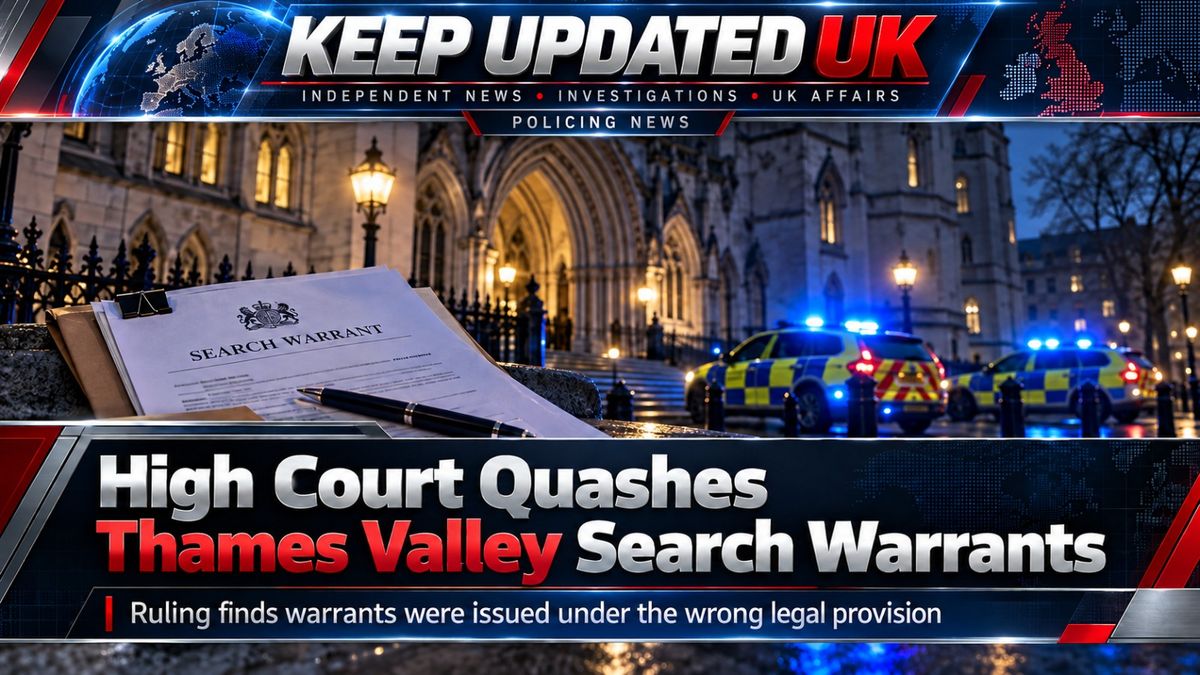
High Court quashes warrants used in Andrew Mountbatten-Windsor police searches
Thames Valley Police has accepted that warrants used to search two properties were obtained under the wrong legal provision, while its investigation continues.
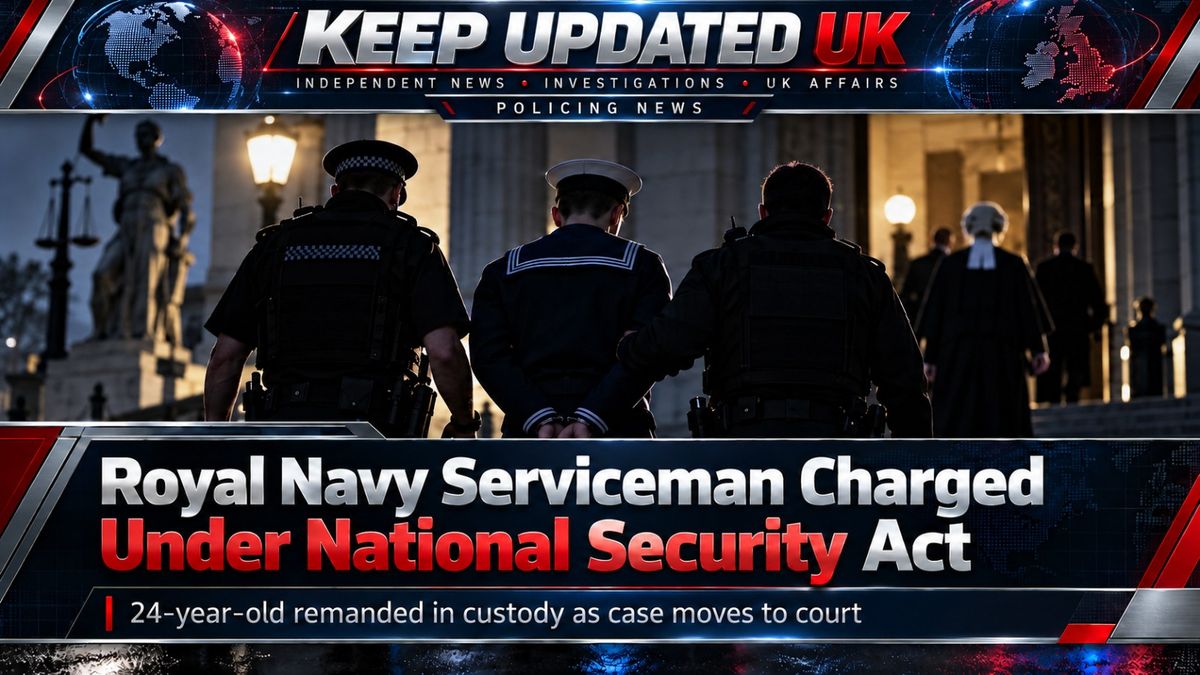
Serving Royal Navy member accused of offences involving protected information
Counter-terrorism investigators have charged a 24-year-old serving Royal Navy member over alleged conduct involving sensitive information.