

Government Removes VAT From Household Electricity Bills: What Will Families Save?
The UK Government has removed VAT from household electricity bills, saying the change will reduce the annual energy price cap by approximately £45 compared with what it would otherwise have been.
By Keep Updated UK Newsdesk
Published:

The tax change took effect on 1 October 2026 as part of the Government's response to rising household energy costs.
Ministers say removing VAT from domestic electricity will provide financial relief at a time when global energy markets remain under pressure.
However, the effect on individual households will depend on their electricity consumption and tariff.
What has changed?
VAT has been removed from household electricity bills.
Before the change, domestic electricity was generally subject to a reduced VAT rate of 5%.
The Government says removing the tax means the annual Ofgem energy price cap is approximately £45 lower than it would otherwise have been.
This does not necessarily mean every household will see an immediate £45 reduction in its annual bill.
The figure represents the Government's estimated effect on the price cap compared with a situation in which the tax remained in place.
Why are energy bills still under pressure?
Household electricity costs depend on several factors beyond VAT.
These include wholesale energy prices, network costs, operating expenses and the structure of individual energy tariffs.
Global energy markets have experienced renewed volatility, with developments in the Middle East contributing to concerns over oil and gas supplies.
Removing VAT reduces one component of domestic electricity costs but does not eliminate these wider pressures.
What happens to customers on fixed tariffs?
The Government says approximately one-third of households are on fixed energy tariffs.
These households may not experience price changes in the same way as customers on tariffs directly affected by the Ofgem price cap.
Ministers have said they expect suppliers to pass the VAT reduction on to fixed-tariff customers.
The actual impact will depend on the customer's contract, supplier and billing arrangements.
Will everyone save £45?
No single amount applies to every household.
The £45 figure is an estimate of the effect on the annual price cap, not a guaranteed payment or identical saving for every customer.
Electricity usage varies widely between households.
Properties with electric heating, for example, may have very different consumption patterns from homes primarily heated by gas.
Customers should examine their tariff and bills to understand the practical effect.
Why this matters
Energy costs remain a significant concern for households across the United Kingdom.
Even relatively modest changes can make a difference for families managing tight budgets.
However, evaluating government energy policies requires looking at actual bills, wider price movements and the impact on different groups of consumers.
A tax reduction should therefore be assessed alongside the other factors driving household energy costs.
What happens next?
Energy suppliers will need to reflect the tax change in applicable billing arrangements.
The longer-term effect on household bills will continue to depend heavily on energy-market conditions.
Future Ofgem price-cap announcements will provide additional information about how domestic energy prices are changing.
Keep Updated UK will continue monitoring energy pricing, government intervention and the financial impact on British households.
Sources & Further Information
Related Stories

Government Publishes New Immigration and Asylum Bill Details: What Could Change?
The Home Office has released detailed information about proposed changes to the UK's immigration and asylum system, including reforms to appeals, human rights claims and financial support for asylum seekers.

UK Announces 38 New Russia Sanctions Targeting Oil, Ships and Financial Networks
The British Government has announced another package of sanctions aimed at restricting Russia's oil revenues, military supply chains and access to international financial networks.
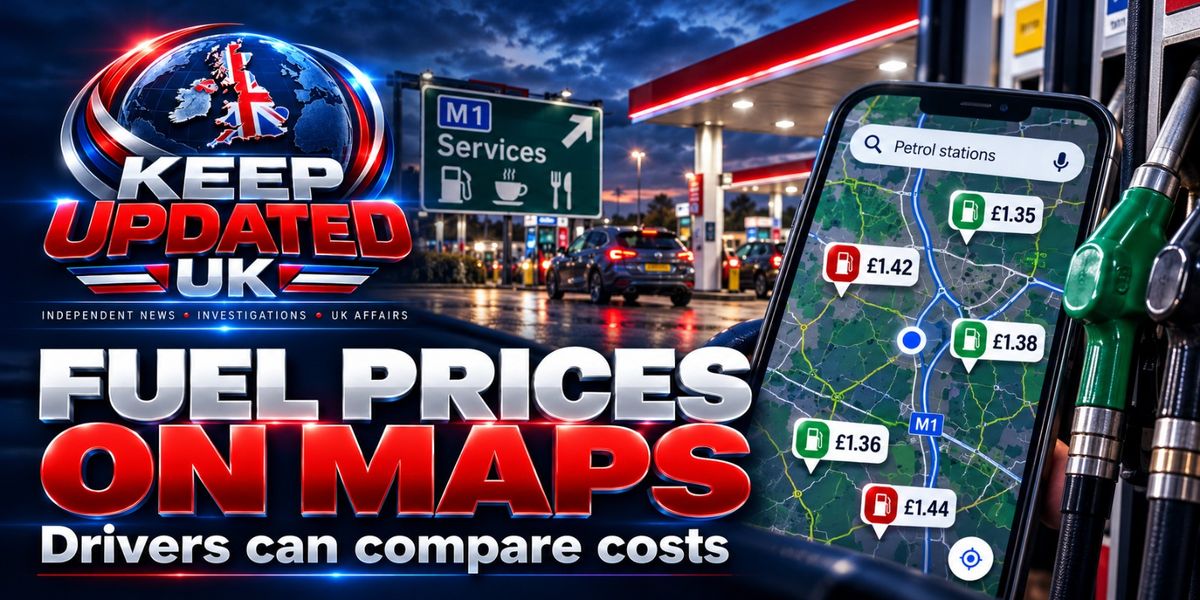
Petrol and Diesel Prices Now Available on Google Maps Under Government Scheme
Motorists across the UK can now compare petrol and diesel prices directly through Google Maps following the expansion of a government-backed fuel price transparency scheme.