

More Than £14 Million Approved for Walking and Cycling Projects Across Cambridgeshire
More than £14 million in public funding has been allocated to progress walking and cycling improvements across Cambridgeshire.
By Keep Updated UK
Published:

Cambridgeshire County Council's Highways and Transport Committee approved a programme covering 16 active travel schemes on 6 October 2026.
The funding has been allocated to the council by the Cambridgeshire and Peterborough Combined Authority through the government's Local Transport Consolidated Settlement.
The programme is intended to improve connections between residential areas, workplaces, schools and transport hubs over the next four years.
Which projects will receive funding?
Among the schemes are improvements to the route between Alconbury Weald and Huntingdon railway station.
The project involves further development of shared-use paths, including links through Great Stukeley and Stukeley Meadows.
The council expects this scheme to be completed by July 2028.
Another project involves a new shared-use path near the A505, providing improved access to Granta Science and Technology Park.
The wider programme is intended to create safer and more convenient routes for people travelling on foot, using wheelchairs or cycling.
Additional funding for training and behaviour change
Councillors also approved proposals for approximately £2.776 million in revenue funding over three financial years.
This is separate from the capital funding allocated to infrastructure schemes.
The revenue programme includes measures such as Bikeability training, adaptive cycling initiatives and community cargo-bike schemes.
Other proposed activities are intended to support participation among groups who may face barriers to cycling or walking.
What is the council hoping to achieve?
The council argues that better walking and cycling infrastructure can support healthier communities, improve road safety and reduce reliance on cars for shorter journeys.
Supporters of active travel investment also point to potential benefits for air quality, local businesses and access to employment.
However, major transport investment requires careful management to ensure schemes are delivered within budget and provide measurable benefits.
Residents may reasonably expect to know how individual schemes were prioritised, what each project will cost and whether the improvements achieve their stated objectives.
What happens next?
The approved programme will be progressed over several years.
Individual schemes may require further design work, permissions or approvals before construction can begin.
The £14 million-plus allocation should not be interpreted as money already spent or as confirmation that every project has been completed.
Keep Updated UK will follow the delivery of these schemes, including expenditure, completion dates and their impact on local transport.
Sources & Further Information
Related Stories

London Council Considers 150% Council Tax Increase Amid £160m Funding Crisis
Residents in a west London borough could face an unprecedented increase in council tax after Hammersmith & Fulham Council outlined financial scenarios involving rises of up to 150%.
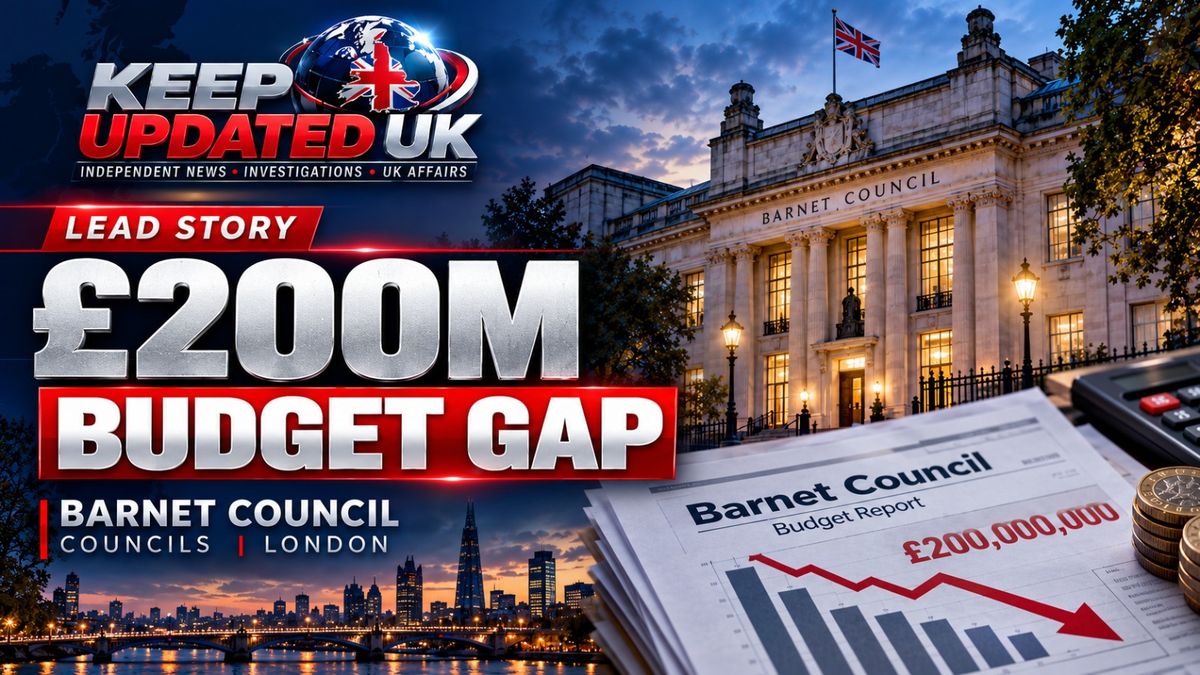
Barnet Council Warns of £200 Million Budget Gap as Service Changes Considered
Barnet Council has published a major financial recovery plan aimed at addressing a projected £200 million budget gap between now and 2029.

More Than 5,300 Empty Homes Identified in Barnet as Council Faces Housing Crisis
More than 5,300 residential properties are recorded as long-term empty in the London Borough of Barnet, despite thousands of households requiring temporary accommodation.