

NHS Estimates Delayed Hospital Discharges Cost £2bn in Nine Months
Billions of pounds are being absorbed by patients remaining in hospital after they are medically ready to leave, while A&E improvements have been slower than hoped.
By Keep Updated UK Newsdesk
Published:
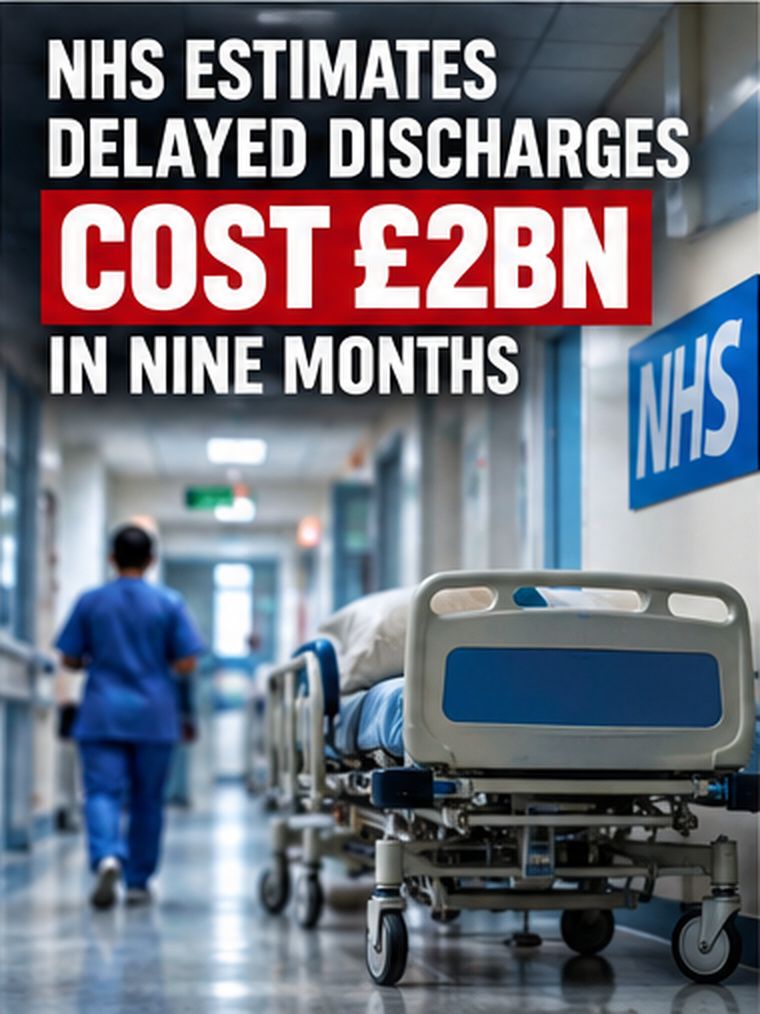
Delayed discharge from English hospitals cost an estimated £2 billion between August 2025 and April 2026, according to NHS England figures reported by the National Audit Office.
A delayed discharge happens when a patient is medically ready to leave hospital but cannot be discharged.
Reasons can include delays arranging medication or transport, but also wider shortages in social-care packages, community health services or care-home places.
More than one in seven stays affected
During 2025-26, 14.2% of hospital stays involved a delayed discharge, according to the NAO.
The financial impact extends beyond the cost of keeping those patients in hospital.
When beds remain occupied, patients arriving through A&E can wait longer for admission, contributing to crowding and pressure in emergency departments.
£1.6bn already allocated to improve discharge
NHS England and local authorities received £1.6 billion of additional social-care discharge funding during 2023-24 and 2024-25.
But the NAO said the impact on reducing delayed discharges remained unclear.
Delayed discharges represented 13.5% in September 2023 and 13.7% in March 2025 despite the additional funding.
A&E spending rising faster than performance
The watchdog also found that the cost of a single A&E attendance increased by around one-third between 2018-19 and 2024-25.
Meanwhile, just 74.9% of A&E attendances were completed within four hours in 2025-26.
The NHS constitutional standard remains 95%.
The last year that England met that national standard was 2013-14.
The NAO concluded that increased spending had produced only modest improvements and said improvements would require better patient flow through entire hospitals rather than focusing solely on emergency departments.
With health spending forming one of the largest components of UK public expenditure, reducing unnecessary hospital stays could have consequences for both patient care and public finances.
Primary source: National Audit Office, Managing the flow of patients through hospital from A&E, published 9 September 2026.
Related Stories

NHS Waiting List Climbs to 7.37 Million Treatment Pathways in England
England’s planned-care waiting list rose to an estimated 7.37 million pathways at the end of August, even as hospitals delivered substantial numbers of treatments.

Flu Activity Rises Early as Health Officials Urge Eligible Patients to Get Vaccinated
Flu activity remains at a low baseline level but has risen earlier than in recent seasons, according to England’s public-health surveillance.
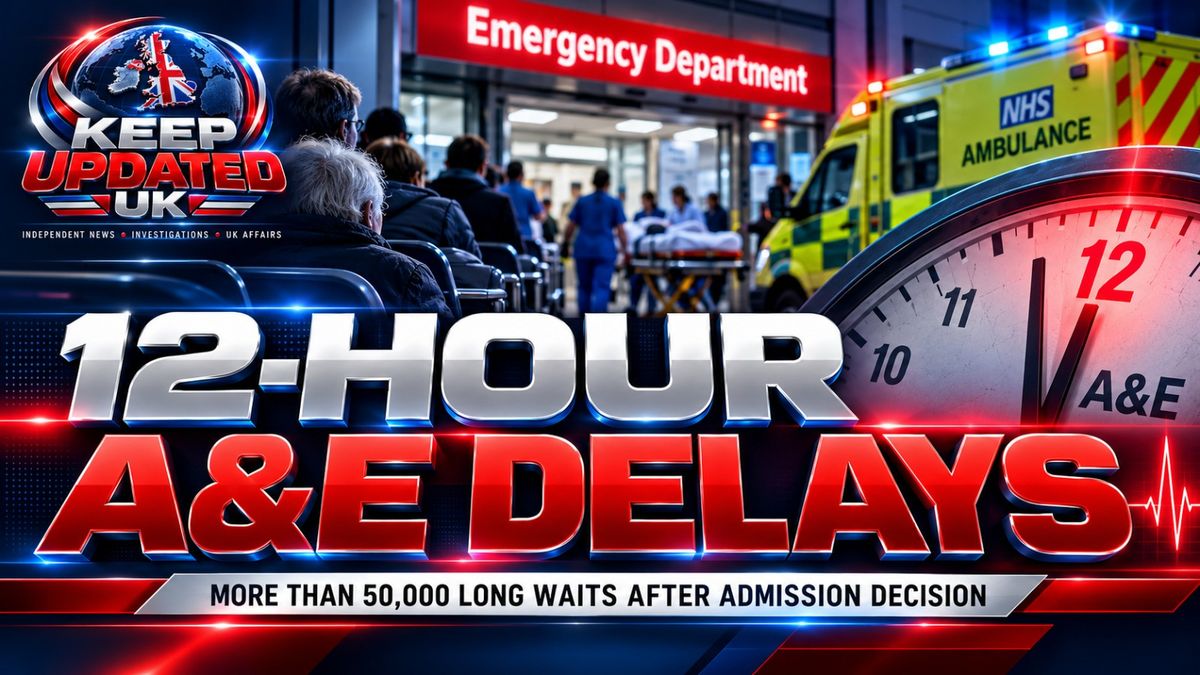
More Than 50,000 Patients Wait Over 12 Hours for Admission After A&E Decision
Newly reported NHS figures show 50,582 waits of more than 12 hours between the decision to admit a patient and their admission to hospital during September.